The performance of a logistics platform depends on many factors: increasing processing volumes, short delivery times, growing traceability requirements, and more.
In such an environment, even the slightest malfunction can affect the entire supply chain.
A power failure, a malfunction in the heating or air-conditioning system, a lighting fault, a lock-related issue or a failure of safety equipment can quickly impact the operations of a logistics platform. Although these incidents may seem minor, they can lead to operational disruptions, risks to employee safety and additional operating costs.
In this context, ensuring the availability of facilities has become a strategic priority. Here are five essential ways to ensure the operational continuity of your logistics platforms.
1. Implement preventive maintenance
All too often, work is carried out only when a breakdown occurs. This corrective approach exposes sites to potentially lengthy and costly operational disruptions.
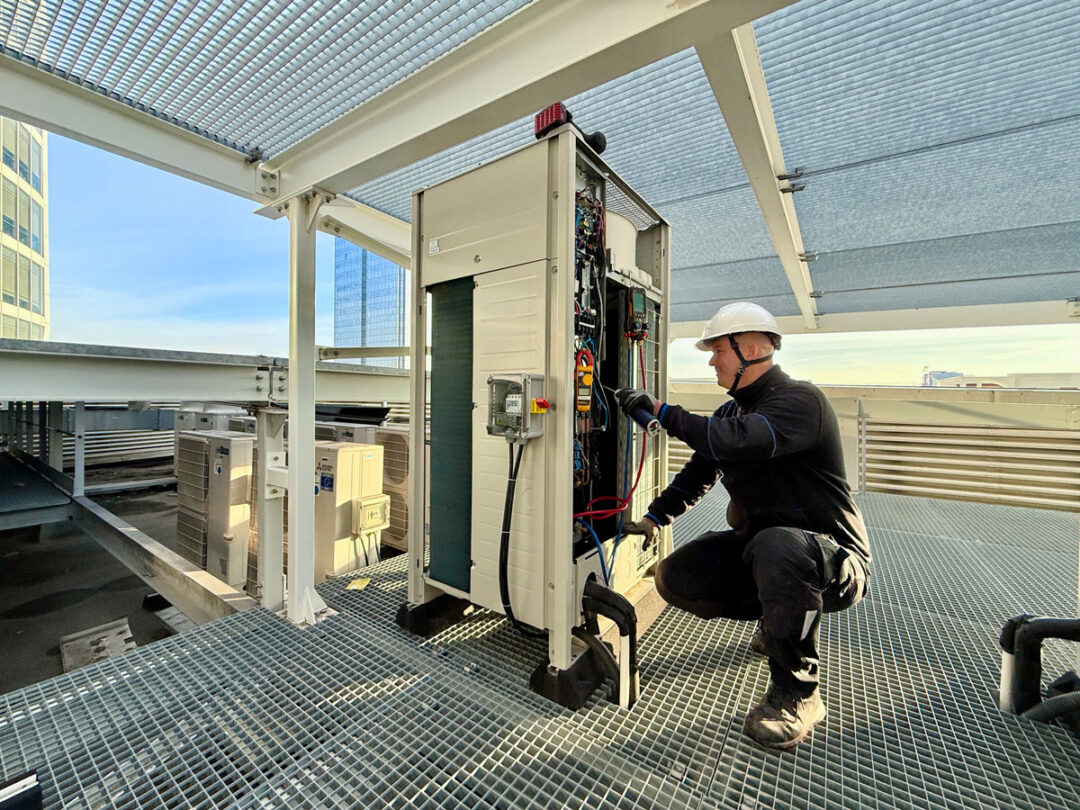
Preventive maintenance helps anticipate failures and ensure that essential technical installations within the building operate correctly:
- Electrical installations and indoor and outdoor lighting
- HVAC systems (heating, ventilation and air conditioning)
- Plumbing and sanitary facilities
- Electrical safety equipment
- Fire protection systems
- Locks and access control systems
By identifying issues before they become critical, logistics platform managers reduce the risk of operational downtime.
2. Reduce downtime through rapid intervention
In a logistics environment, every minute counts.
A failure that is not dealt with quickly can affect the receipt of goods, order preparation or even shipments.
It is therefore essential to rely on an organisation capable of:
- Handling incidents quickly
- Assessing requests as soon as they are reported
- Prioritising interventions according to their criticality
- Mobilising the right expertise as quickly as possible
A high level of responsiveness directly helps to limit disruptions and maintain smooth operations.
3. Simplify management through a multi-technical approach
Logistics platforms rely on numerous technical installations that are essential to their operation.
Electrical engineering, HVAC systems, plumbing, locks, fire protection and electronic security are all essential components for the site’s proper operation.
When several service providers work simultaneously, management can quickly become complex.
A multi-technical approach makes it possible to centralise the management of these different service areas and ensure better coordination of interventions.
Site managers therefore benefit from a comprehensive overview of their facilities’ performance.
4. Centralised management
Centralising request processing and intervention monitoring makes it possible to:
- Track progress in real time
- Standardise processes
- Simplify reporting
- Maintain a complete history of interventions
This visibility improves decision-making and helps operations managers quickly identify areas for improvement and the budgets to allocate.
5. Control your operating costs over the long term
CMMS plays a key role in the development of maintenance strategies. By structuring data and facilitating its analysis, it enables the development of preventive and even predictive approaches.
Interventions can be scheduled according to the actual needs of the equipment, rather than systematically or reactively. This anticipation helps limit breakdowns and secure operations.
As part of the Emalec solution, the aim is to transform maintenance into a genuine performance driver.
In a sector where deadlines are demanding, operational continuity has become a genuine competitive advantage.
By combining preventive maintenance, rapid response, centralised organisation and multi-technical expertise, logistics companies can ensure the availability of their technical installations, secure their operations and improve the performance of their platforms.